Egypt Denies Military Withdrawal from Libya Amidst Diplomatic Balancing Act

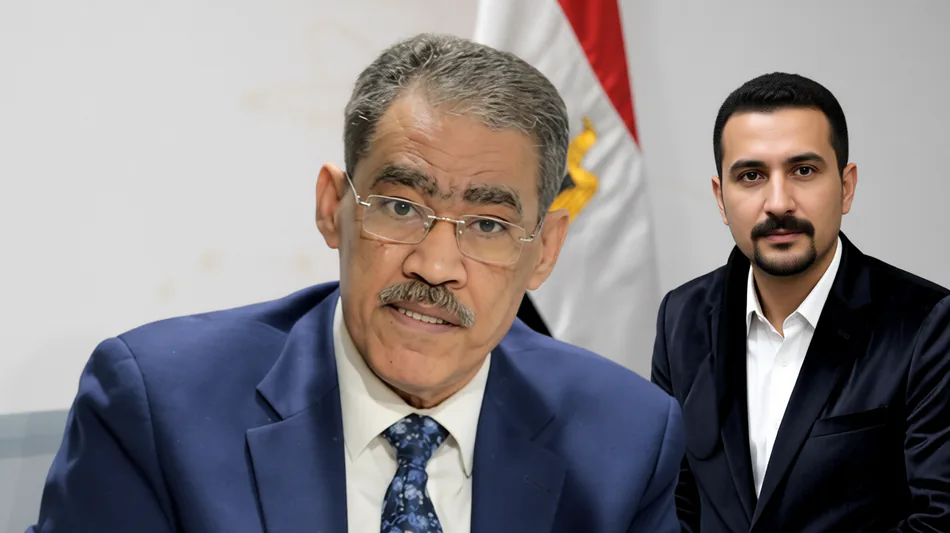
The Egyptian government has officially denied allegations that it withdrew military experts from Benghazi following disputes with the Libyan National Army. Minister of State for Information Diaa Rashwan described the reports as unfounded, emphasizing that diplomatic and military coordination between Cairo and eastern Libya continues without interruption.
Egypt has firmly rejected circulating reports alleging a military rift between Cairo and eastern Libya, stating that coordination with the Libyan National Army (LNA) remains active and uninterrupted. The denial came on Sunday, November 22, through a statement by Minister of State for Information Diaa Rashwan, who addressed claims that Egyptian military experts had been withdrawn from Benghazi due to disagreements with LNA leadership.
Rashwan characterized the media reports as unfounded, stressing that communication channels between Cairo and the General Command of the LNA were functioning normally. He reaffirmed Egypt’s commitment to Libya’s territorial integrity and national stability, urging media outlets to verify information before disseminating unsubstantiated claims regarding bilateral military relations.
The clarification arrives as Egypt navigates a complex diplomatic landscape in Libya, which has been politically divided since the 2011 overthrow of Muammar Gaddafi. The country is currently split between the LNA, led by Khalifa Haftar and controlling much of the east and south, and the internationally recognized Government of National Unity (GNU) based in Tripoli under Prime Minister Abdul Hamid Dbeibeh. Efforts to unify institutions and hold national elections have repeatedly stalled amid this rivalry.
Cairo has historically maintained close military and political ties with Haftar’s forces while simultaneously expanding diplomatic engagement with the Tripoli-based government. This dual-track approach was highlighted earlier in November when President Abdel-Fattah El-Sisi met with Dbeibeh in Cairo on Thursday, November 19. During that visit, the two nations signed agreements covering natural gas infrastructure, petroleum refining, and fisheries development.
Egypt’s diplomatic outreach to western Libya has also intensified recently. In early November, Cairo reopened its embassy in Tripoli after a 12-year closure, signaling a step toward strengthening relations with the capital. During Dbeibeh’s visit, Foreign Minister Badr Abdelatty raised Egypt’s longstanding concerns regarding Libya’s 2019 maritime boundary agreement with Türkiye, which Cairo has consistently opposed.
Concurrently, Egypt continues its engagement with eastern Libya. In August, President El-Sisi met with Haftar to discuss efforts to unify Libyan institutions and advance presidential and parliamentary elections. The latest denial of military tensions underscores Cairo’s ongoing effort to maintain balanced relations across Libya’s political divide while emphasizing support for the country’s unity.
L.Moretti--MJ