Australia probes app used in cheap smart glasses over privacy fears / Photo: JUSTIN SULLIVAN - GETTY IMAGES NORTH AMERICA/AFP/File

Australia is investigating how and where the firm behind an app used in popular low-cost smart glasses collects and stores personal data, the country's data protection watchdog said Wednesday.
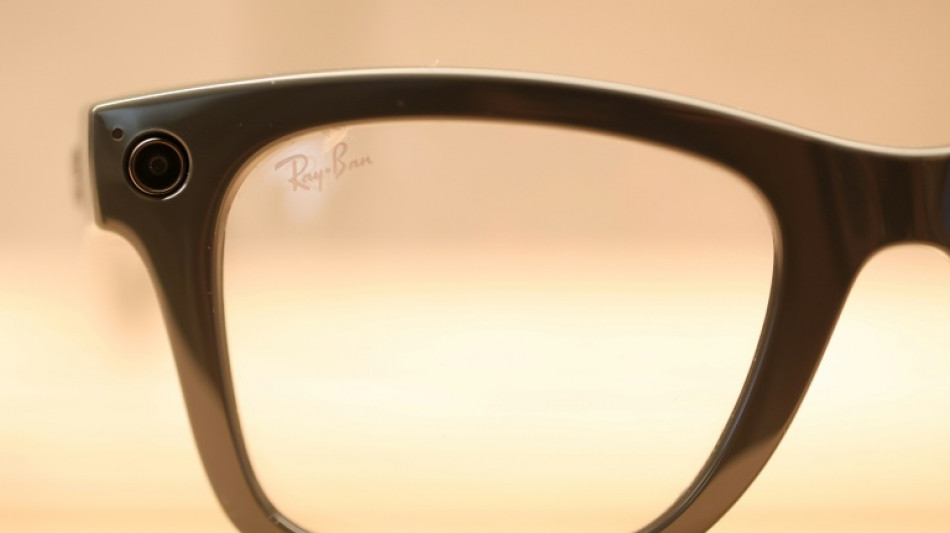
China-based Shenzhen Qingcheng is the maker of the HeyCyan smart glasses application, used in the Anko smart glasses sold for as little as AU$89 (US$62) at shops like K-mart across Australia.
Australia's Information Commissioner (OAIC) said it had sent preliminary inquiries to several companies involved in making the glasses last month -- including Meta, Kmart, Google and Shenzhen Qingcheng -- about how they recorded data and where it was stored.
"In the absence of any response from Shenzhen Qingcheng to the OAIC's preliminary inquiries, I have no assurance that it is protecting personal data of Australians as required by the Privacy Act," Privacy Commissioner Carly Kind said.
"The failure of Shenzhen Qingcheng to respond to the OAIC's inquiries raises concerns about the entity's practices, procedures and systems to protect the personal information it holds," she added.
She also urged retailers to reconsider stocking the glasses given the investigation.
"Given the particular risks the OAIC has identified with the HeyCyan app, I would urge responsible retailers to consider whether it is appropriate to continue making these devices available," Kind said.
Smart glasses let wearers take photos, film videos, listen to music, make phone calls, translate text or interact with an AI assistant.
Calls have grown for action against what campaigners call "pervert" smart glasses after secretly filmed footage of girls and women has appeared online.
This month, Norway's government said it wants a temporary ban on the use of smart glasses in certain public places.
And in France, child welfare group e-Enfance said last month it had received some 20 reports of women being filmed without their consent, in most of those cases with Meta glasses.
P.Caruso--MJ