Australia withholds Pacific climate fund reports over risk of diplomatic 'damage' / Photo: TORSTEN BLACKWOOD - AFP/File

Australia has refused to release internal papers about a trust fund for a climate-vulnerable Pacific nation, telling AFP the documents could inflict diplomatic "damage".
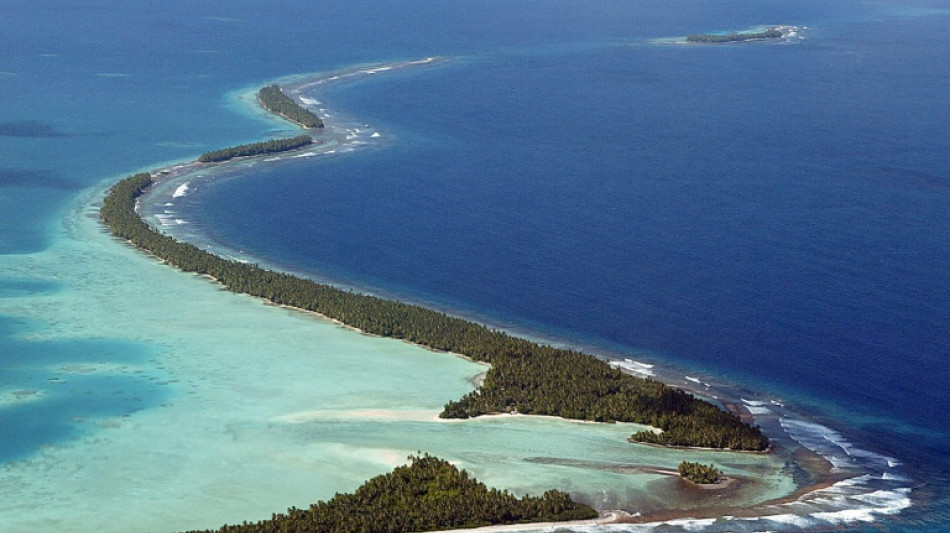
Gravely threatened by rising seas, low-lying island nation Tuvalu relies on a $200 million trust fund to help foot the ballooning costs of climate change.
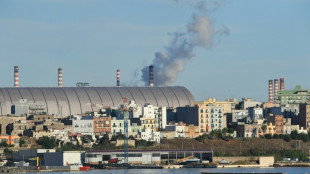
The trust has been invested on Tuvalu's behalf in funds exposed to coal mining, gas exploration and the world's largest crude oil refinery, an AFP investigation revealed.
Australia is the largest contributor to the Tuvalu Trust Fund and plays a key role overseeing how it is spent, filling one of three seats on its board of directors.
Using freedom of information laws, AFP asked the Australian government to release a series of internal reports shedding light on trust fund investment decisions.
Australia's foreign affairs department delivered some publicly available documents but declined to release the internal papers, citing exemptions to protect diplomacy.
The department said the documents should be withheld because they could "cause damage to the international relations" of Australia.
- 'Utterly incongruous' -
Climate finance expert Ivan Diaz-Rainey criticised the lack of transparency surrounding the Tuvalu Trust Fund.
"My greatest concern is that, unlike countries such as Australia, the Pacific islands are unlikely to have strong regulators or robust legal protections to guard against potential greenwashing," he told AFP.
Few countries are more exposed to climate change than Tuvalu, a chain of coral atolls reckoning with acidifying oceans, tropical disease and rising seas.
Climate policy expert Wes Morgan said the trust fund's fossil fuel investments were totally out of sync with Tuvalu's dire predicament.
"It is utterly incongruous that the Tuvalu Trust Fund, which counts Australia as a board member, would be investing in the means of Tuvalu's destruction," he said.
One of the world's largest exporters of coal and gas, Australia has an awkward relationship with Tuvalu on matters of climate policy.
Australia is eager to show its Pacific island neighbours it is serious about the threat they face.
It helped to secure an upcoming leaders summit in Tuvalu ahead of this year's top United Nations COP climate conference.
But Tuvalu remains highly critical of Australia's reliance on fossil fuels.
Tuvalu Climate Minister Maina Talia in 2024 condemned Australia's "immoral" decision to approve coal mining expansions.
- Leading example -
The Tuvalu Trust Fund was established in 1987 with help from Australia, New Zealand and the United Kingdom, providing crucial revenue to a nation reliant on foreign aid.
In 2013, the United Nations Development Program highlighted the Tuvalu Trust Fund as a leading example of a "national climate fund".
Investment advisory firm Mercer took over management of the fund in 2022.
Mercer has since invested in funds that included Indian energy giant Reliance Industries, which owns the largest oil refinery in the world, and The Southern Company, the second-biggest greenhouse gas emitter in the United States.
Tuvalu Prime Minister Feleti Teo told AFP he was personally disappointed to learn of these investments.
But he said Tuvalu would need Australia and New Zealand's support to change the fund's investment strategy.
"It's not solely under Tuvalu's control," Teo said.
"Tuvalu can't take a unilateral decision on where funds are invested."
Australia said it would use its position on the Tuvalu Trust Fund to minimise its "exposure to fossil fuel investments".
Mercer said it managed the Tuvalu Trust Fund in "accordance with its established investment guidelines".
P.Michel--MJ