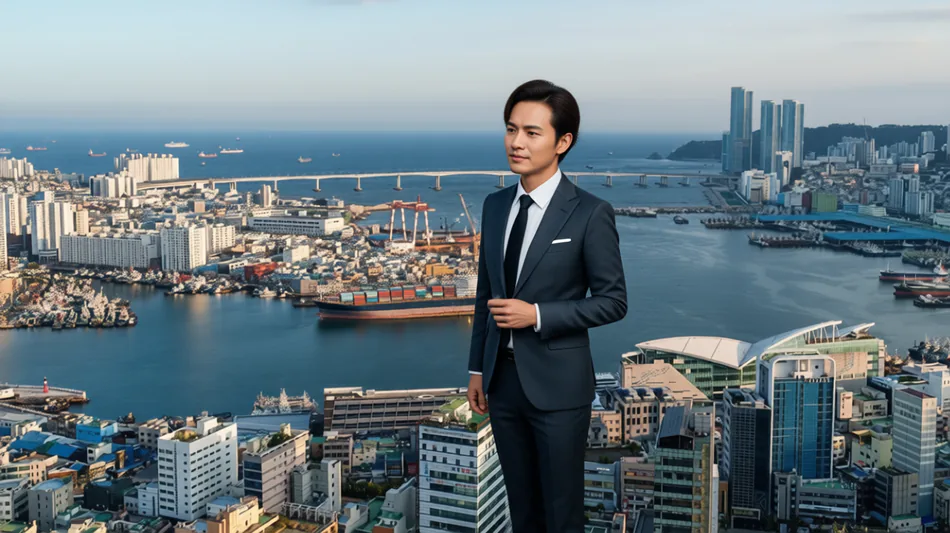
Beyond Seoul: A Guide to Busan’s Coastal Culture, Cuisine, and Landmarks

Just under 400 kilometers southeast of Seoul, Busan offers a laidback coastal alternative to South Korea’s frenetic capital. Nicknamed the 'Miami of Korea,' this maritime hub combines dramatic peaks with sandy beaches, bustling fish markets, and a unique blend of traditional heritage and modern urban cool.
Just under 400 kilometers southeast of Seoul, Busan reveals a more relaxed side to South Korea than its frenetic capital. Nicknamed the "Miami of Korea," this maritime hub boasts sandy beaches and dramatic peaks while sharing the same rich cultural heritage as Seoul but combining it with a coastal cool vibe. The city is home to quirky neighborhoods, bustling fish markets serving decades-honed specialty dishes, and a growing reputation as a go-to mini-break destination for Seoul’s creative crowd.
Accessibility has improved significantly with the introduction of a new high-speed KTX rail route from Seoul. The journey takes approximately two and a half hours, speeding through Daejeon, known as Korea’s Silicon Valley, and scenic Dongdaegu. Travelers leaving mid-morning can reach the city’s proximity to sand and sea by the afternoon, making it an ideal addition to a South Korea itinerary.
For visitors seeking authentic local flavors, the Jagalchi Fish Market is a primary destination. As one of South Korea’s largest markets, it is named after the "Jagalchi Ajumma," female vendors who began selling fresh catches here after the Korean War to support their families. Inside the market, visitors can sit at bustling food joints with plastic-covered menus to sample specialty dishes. Recommended items include steaming blood pudding, tteokbokki (spicy rice cakes) in glossy orange sauce, and slippery glass noodles topped with vibrant pickles.
Just outside the market’s awnings, Korean Pizza offers an unassuming dining experience. This decades-old cafe has been serving perfectly crispy, deep-fried savory "pancakes" since the 1980s. Options include fillings such as shrimp, potato, and pork, or sweet red bean. These are traditionally paired with makgeolli, a traditional milky rice wine with a unique slightly sparkling taste and a history longer than that of soju.
Busan is also renowned for its seafood, particularly whole mackerel, which is the most sourced fish in the city. Specialty restaurants offer perfectly charred preparations. For adventurous eaters, san-nakji (live octopus) is a local delicacy, chopped into pieces and served immediately with tentacles still wriggling.
Haeundae Beach, a three-mile-long stretch of coastline surrounded by skyscrapers, is one of the country’s most famous beaches. The pedestrianized street leading up to it, Gunam-ro, is a buzzy late-night destination featuring neon-lit grabber machine arcades, food joints, pharmacies for K-beauty shopping, and fashion boutiques such as Gentle Monster. It is also a prime location to try dwaeji gukbap, a steaming combination of milky broth, rice, and slow-cooked pork. A restaurant on Gunam-ro named after the dish, which translates as "Miryang Korean Sausage Pork and Rice Soup," offers an easygoing atmosphere for solo diners.
The area is also home to Kumsu Bokguk, a notable Michelin Guide restaurant serving spicy puffer fish stew. While improperly cooked puffer fish is poisonous, the dish is considered a delicacy when prepared correctly, and staff at this establishment are trusted experts in its preparation.
Near the top of Gunam-ro lies the Haeundae Traditional Market, packed with food stalls dispensing popular dishes. Visitors can find sweets such as Bungeoppang, pancakes shaped like fish oozing with Nutella or bean paste, as well as savory options like steaming meaty mandu (dumplings). The area around the crescent-shaped beach has emerged as a favorite late-night hangout for Busan’s younger crowd and boasts a lively coffee shop culture by day. Working Holiday cafe, located on the fifth floor, offers picture-window views over the golden sands and out to the Gwangan Bridge, serving perfectly brewed coffees alongside an Aussie-inspired brunch menu.
The area near the bridge also features an emerging bar scene. Ggultteok House dispenses house-brewed makgeolli and creative snack pairings, while Hongdan provides a traditionally styled spot for cocktails where Korean flavors, including red beans, are mixed into specialty highballs and short cocktails.
Busan is famous for its Buddhist temples, with the most iconic located in Gijang-gun in the northeast of the city. This site features unique vantage points on the coast, with 14th-century buildings dedicated to the Sea Goddess Buddha of Mercy situated as waves crash below. Visitors can seek out statues of the 12 animals of the Chinese zodiac within the complex.
To gain an overview of the city, the Busan Air Cruz, formerly the Songdo Sea Cable, offers a scenic ride from Songlim Park on a first morning in the city. The cable car glides over Songdo Beach, past dramatic cliffs and the forest of Yeongdo, and scales over the Namhang Bridge before dropping passengers at Songdo Sky Park. From there, visitors can wander the observatory, Amnam Park’s trails, and view the sea from a coastal suspension bridge.
Another major attraction is the Gamcheon Culture Village, nicknamed the "Machu Picchu of Busan" for its hilly topography on the slopes of Cheonmasan. Its colorful houses recall a town made of Lego. The buildings were erected in the 1950s for Korean War refugees when Busan became the last safe refuge on the peninsula. After an exodus began in the 1980s, a 2009 project transformed it into a cultural attraction. Primary-colored facades were added, along with murals, including one for BTS fans honoring Busan-born bandmates Jungkook and Jimin. Art workshops took over some residences, and a statue of the Little Prince has become the most popular selfie spot, as the novella’s refugee narrative resonates with many who have lived in the village.
A curfew is enforced at 8:30 pm as some homes remain occupied. Early evening is considered a less busy time to visit, ideal for browsing quirky shops selling locally made crafts, cute cafes, and ice cream stalls. In May, the annual Village Alley Festival takes place with entertainment and events from local talent.
The Sky Capsules at Haeundae Blueline Park have become Busan’s hottest ticket for sundown. Added in 2020 to revitalize the area’s disused train system, these brightly colored rail cars run parallel to the sea. Visitors book ahead to board at Mipo Station for a 30-minute ride to Cheongsapo, taking in views of the city’s high-rise skyline from across the water. Return options include the original ground-level Beach Train with seats facing the ocean, or visitors can hop off early to tackle part of the three-mile path that runs alongside it on foot.
For relaxation, a jjimjilbang (bathhouse) experience is a traditional way to revive oneself. Busan is home to one of the largest such spas in the country: Spa Land at Centum City, located within the world’s largest department store. These facilities are gathering spaces for friends and families and an after-work ritual for many Koreans. The spa is separated by gender and requires nudity, with pajamas provided for communal areas. It features 13 kinds of saunas and nap rooms.
Visitors can refuel between soaks at the ramen bar or take a break in the games room with arcade machines. Entry costs around £13, and a traditional exfoliating scrub is available for £19. The experience involves the removal of dead skin, leaving visitors feeling renewed.
Travel logistics include direct daily flights from London Heathrow to Incheon International Airport in Seoul operated by Virgin Atlantic, starting at £889 in economy class, with a flight time of around 15 hours. The KTX high-speed train from Seoul to Busan takes about 2.5 hours for direct routes, with standard adult tickets costing around £33 for economy class.
Leading Korea travel specialist Inside Asia creates customizable itineraries to South Korea. For accommodation, the Ramada Encore by Wyndham Busan Haeundae offers comfortable, reasonably priced high-rise rooms steps away from Gunam-ro. Breakfast is included in rates starting at £45 per night.
M.Parisi--MJ